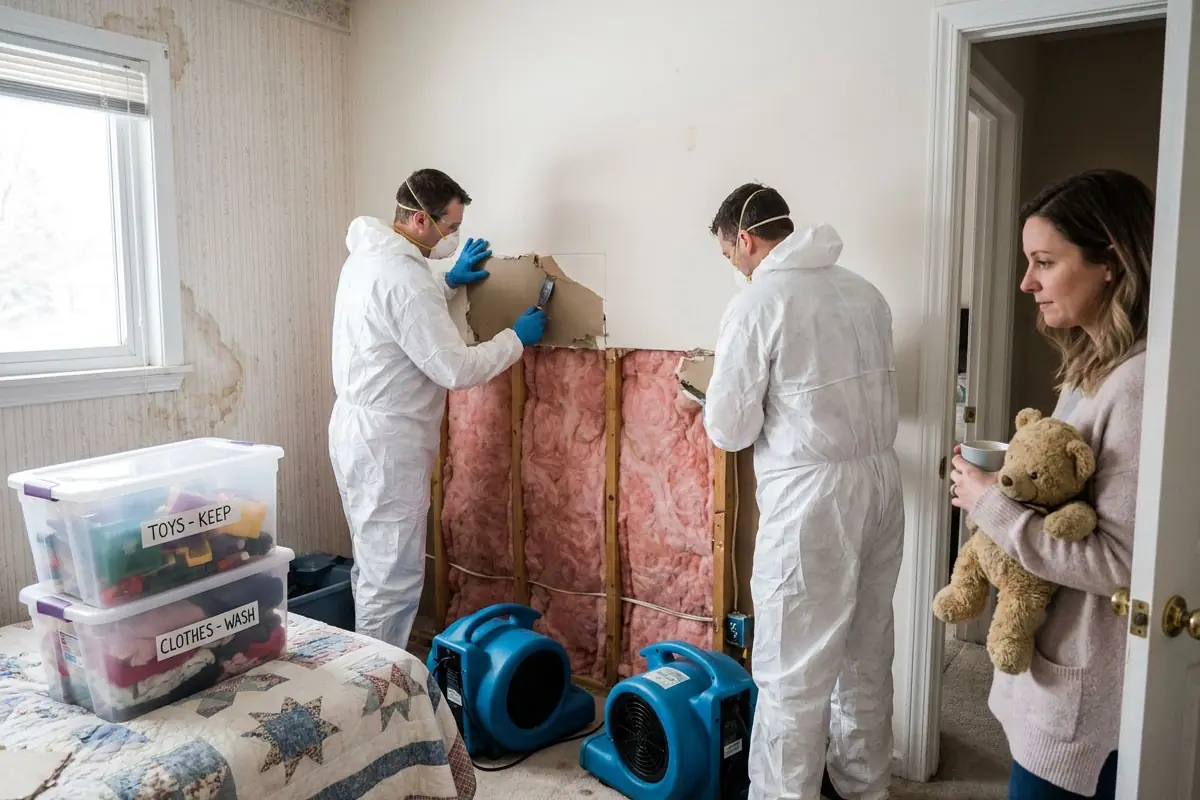
In Texas, hired mold remediation of 25 contiguous square feet or more generally needs licensed professionals, and the assessor and remediator on a project must be independent.
Who Regulates Mold Work in Texas
The Texas Department of Licensing and Regulation, TDLR, licenses mold assessment and mold remediation professionals and publishes the Consumer Mold Information Sheet. Anyone planning mold work in a Garland home should read that sheet before signing a contract. It explains licensing, exemptions, assessment, remediation, clearance and the paperwork you should receive.
The rules exist because mold work done badly can spread spores through a house, and because the same company inspecting and fixing a problem has an obvious conflict of interest.
The 25 Contiguous Square Foot Threshold
Under TDLR rules, hired mold remediation of 25 contiguous square feet or more generally requires licensed professionals. Projects smaller than that are exempt. The key word is contiguous: the threshold concerns connected mold growth, not every small spot in the house added together. Several separate small patches do not automatically count as one 25 square foot area, and one large patch cannot be split up on paper to avoid the rule.
Measure carefully and let a licensed assessor make the determination when you are near the line. A calculator can flag when your total entered area reaches 25 square feet, but it cannot decide whether a project is regulated.
The Homeowner Exemption
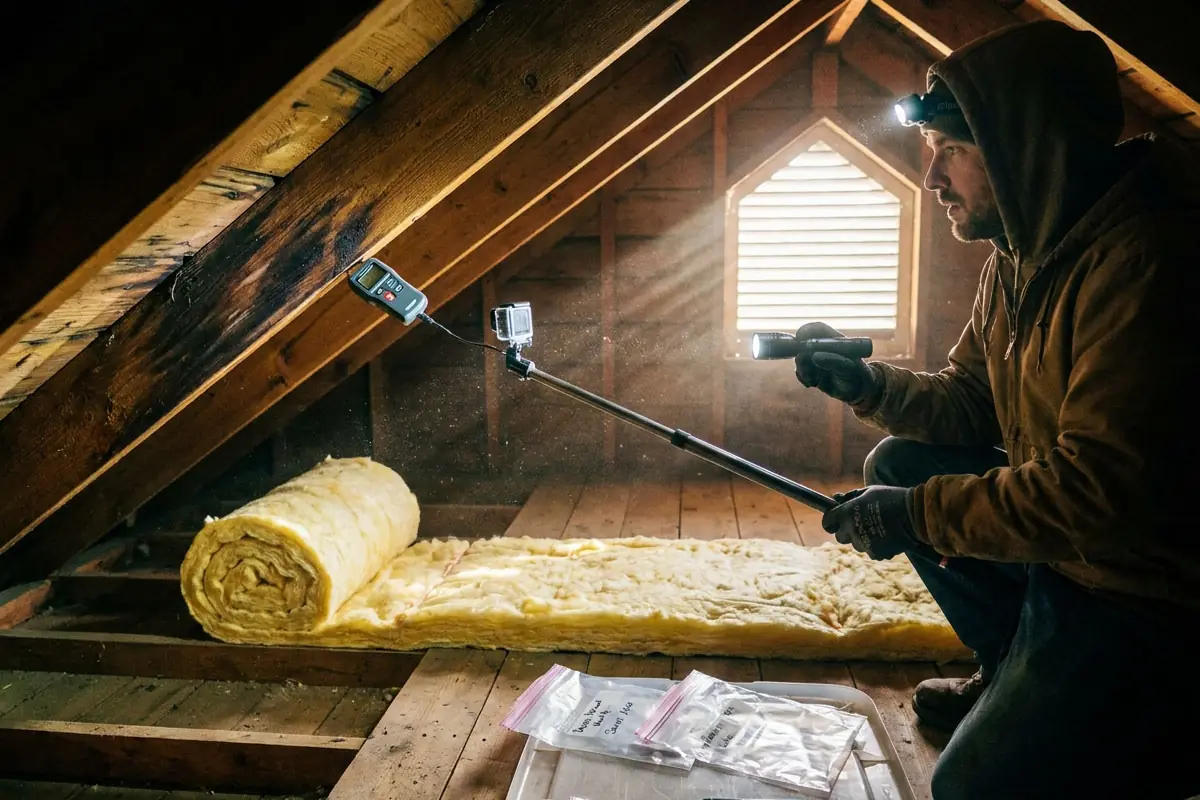
Texas rules allow homeowners to assess and clean mold in their own home without a license. That exemption covers you working on your own house. It does not turn a hired company into an exempt contractor. If you pay someone to remediate 25 contiguous square feet or more, the licensing rules apply to them.
Residential buildings with ten or more units follow different rules, which matters for apartment residents and landlords. Renters should not assume the homeowner exemption applies to their landlord or to work in an apartment complex.
Assessment and Remediation Must Be Separate
TDLR does not allow the same licensee to assess and remediate the same project. In practice, the process usually works like this:
- A licensed mold assessment consultant inspects and writes a protocol describing the areas, the work and the clearance criteria.
- A licensed mold remediation contractor follows that protocol, sets up containment and removes or cleans the affected materials.
- The assessor returns for a post remediation assessment to check whether the work met the clearance criteria.
Ask every company which role it is playing, and verify each license directly with TDLR rather than trusting a logo or a website claim.
Is Mold Testing Necessary?
Not always. TDLR consumer guidance explains that sampling is often unnecessary. If mold is visible and the moisture source is known, testing may not change what needs to happen. Before paying for air or surface samples, ask what question the test will answer and how the result would change the plan.
There is no single safe mold number for every home, and the color of mold does not tell you its species or health significance. A laboratory report still needs a qualified person to interpret it. Whether or not you test, the moisture problem has to be fixed.
Fix the Moisture First
The EPA advises fixing the source of moisture and drying wet materials promptly. In Garland homes, common sources include slow plumbing leaks, roof leaks after hail, attic air conditioners with clogged condensate lines or overflowing drain pans, and high indoor humidity. The EPA also recommends keeping air conditioning drip pans clean and drain lines clear.
Remediation without source correction usually fails. Mold returns to materials that stay damp. Ask your plumber, roofer or HVAC technician to document the repair so the remediation plan can refer to it.
The Certificate of Mold Damage Remediation
For regulated remediation, licensed professionals provide a Certificate of Mold Damage Remediation after the work passes clearance. It describes the remediation and states whether the underlying cause was corrected. Keep it with your property records. It can matter when you sell the house or talk with an insurer.
An invoice marked paid is not the same document, and neither is a certificate issued by an unlicensed company.
Rentals and Code Enforcement
Renters who see mold should notify the landlord or property manager in writing, with dates and photos. In Dallas, the city encourages 311 complaints identifying substandard rental conditions for code enforcement investigation. That route addresses property conditions; it is not a mold testing service. Other cities have their own code enforcement contacts.
Where Mold Shows Up in Garland Homes
Mold needs moisture, so it appears where water collects or lingers. In North Texas homes, common trouble spots include ceilings below attic air conditioners, bathroom ceilings and walls with poor ventilation, the areas around water heaters and washing machines, under kitchen and bathroom sinks, and walls or flooring near slow plumbing leaks. Roof leaks after hail can wet attic decking and insulation long before a ceiling stain appears.
A musty smell, bubbling paint or recurring stains in the same spot are reasons to look for a moisture source.
What Mold Remediation Usually Involves
- Fixing the moisture source.
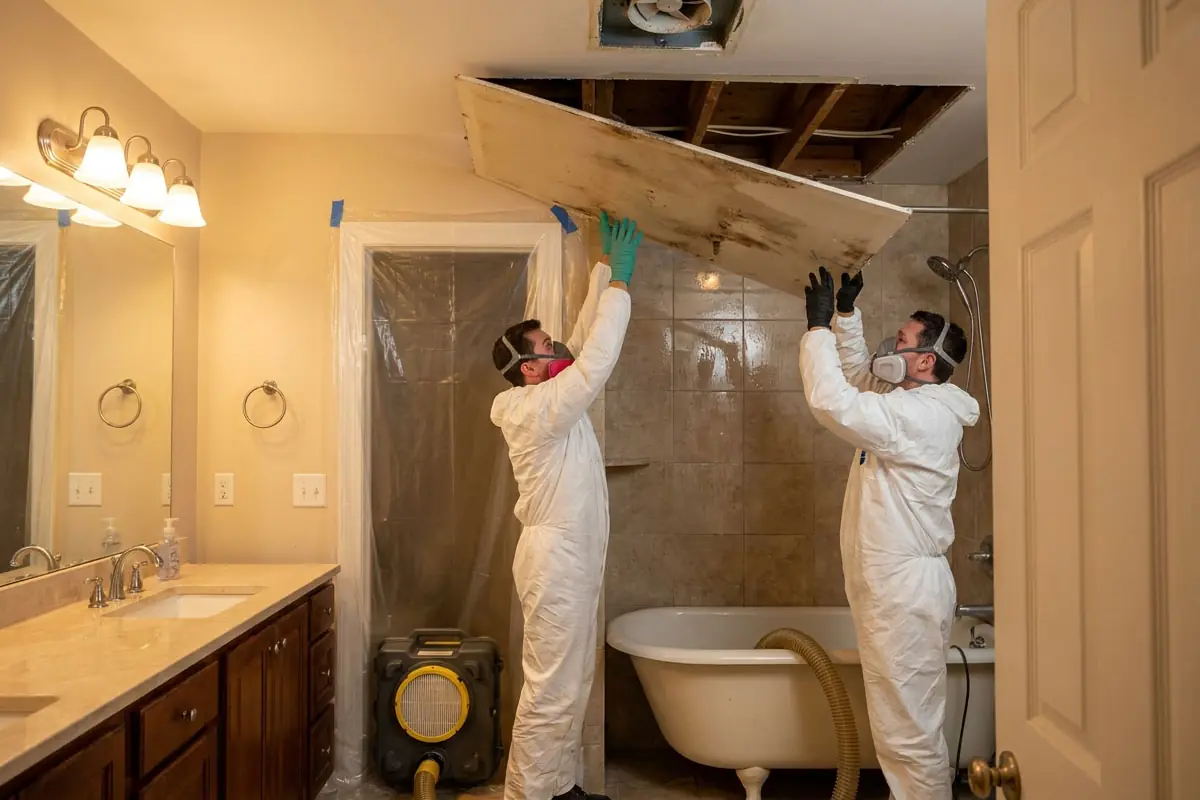
- Setting up containment, often plastic sheeting and negative air pressure, to keep spores from spreading.
- Removing porous materials with growth, such as drywall and insulation, and cleaning salvageable surfaces.
- Filtering the air and cleaning the work area.
- Drying the area and passing the post remediation assessment.
- Rebuilding the removed materials.
The protocol written by the assessor should spell out which of these apply to your project.
Mold and Health Questions
If you or someone in your home has health concerns you believe relate to mold, talk to a doctor. Mold assessors and remediators address the building, not medical questions, and a website cannot interpret symptoms or laboratory results.
What Mold Remediation Costs in Garland, TX
HomeGuide publishes a national benchmark of $15 to $30 per affected square foot for mold remediation. Separate charges often apply for the licensed assessment and protocol, air or surface sampling if needed, extra containment and rebuilding the removed materials. Small jobs may hit a minimum charge. When comparing quotes, confirm each includes the same areas, the same containment and the post remediation assessment.
Act Early After a Water Leak
The simplest way to avoid a regulated mold project is to dry water damage quickly. The EPA advises drying wet materials promptly and fixing the moisture source. If a leak soaked drywall, insulation or carpet, arrange professional drying rather than waiting to see whether mold appears.
Questions to Ask Before You Sign
- Is this project 25 contiguous square feet or more, and who determined that?
- Who is the licensed assessor, and who is the licensed remediator?
- What does the protocol include, and what are the clearance criteria?
- What caused the moisture, and who is fixing it?
- Will I receive a Certificate of Mold Damage Remediation?
- What insurance does each company carry?
HomeGuide publishes a national mold remediation benchmark of $15 to $30 per affected square foot, before separate assessment and rebuilding. The Garland TX Water Damage referral line, (972) 996-6272, is available 24/7 for Garland residents asking about mold remediation help.