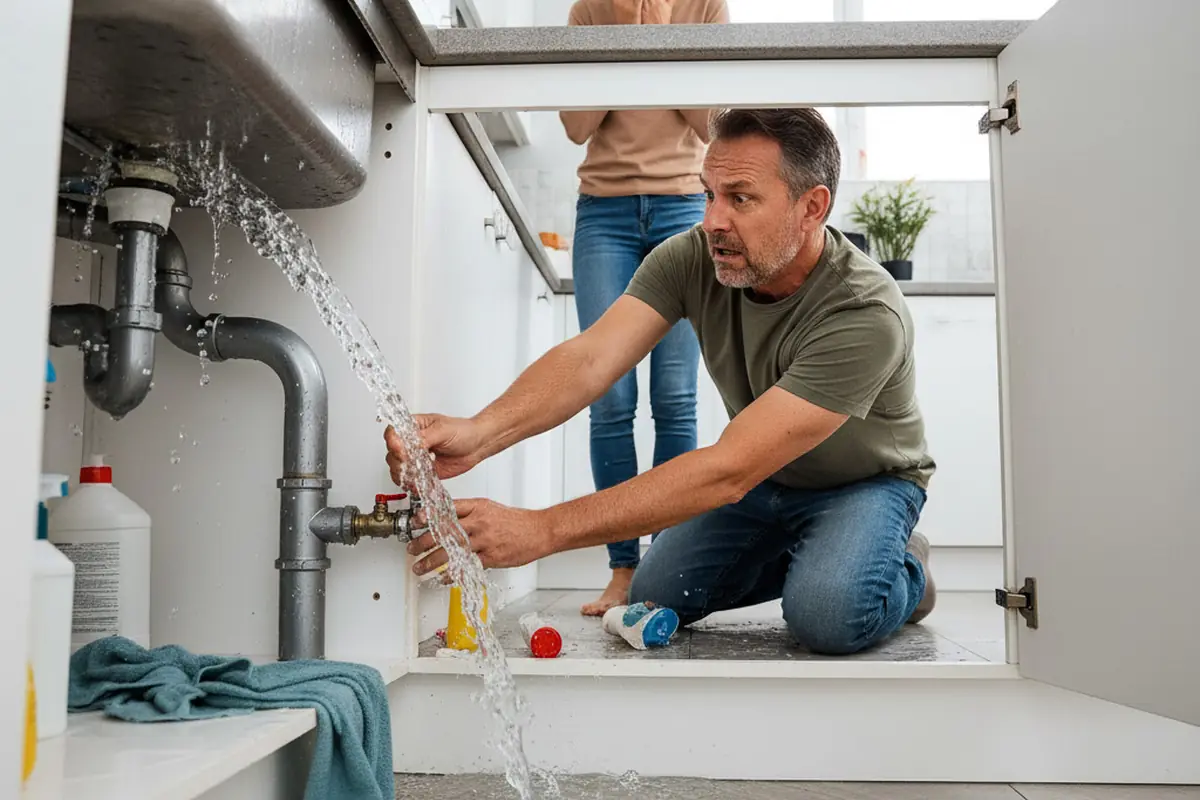
Before a hard freeze, protect pipes in attics, garages and exterior walls, let at risk faucets drip, and know exactly how to shut off your water if a pipe splits.
Why North Texas Pipes Are Vulnerable
North Texas homes are built for heat, not for long stretches below freezing. Water lines often run through attics, garage walls, exterior walls and slab entry points with little insulation. When temperatures stay below freezing for hours, water in those lines can freeze, expand and split the pipe.
The National Weather Service documented long stretches of freezing temperatures across North Texas in February 2021. That event showed how quickly a region used to mild winters can end up with widespread pipe breaks. The lesson is not to plan for that exact storm, but to plan for current forecasts instead of assuming a past winter sets a safe limit.
Watch the Official Forecast
Follow the National Weather Service Fort Worth office and your city emergency updates as a freeze approaches. Hard freeze warnings and winter storm warnings give you a window of a day or more to prepare. Look at how long temperatures will stay below freezing, not just the overnight low. A brief dip is very different from a multi day freeze with wind.
Make your plan before power or internet outages make information harder to get. Write down emergency numbers on paper, including Garland Water Utilities at 972-205-3210.

Find and Test Your Shutoff Valve Now
If a pipe splits, the fastest way to limit damage is closing the main house valve. Find it on a dry, mild day, make sure it turns, and label it. If it is stuck or you cannot find one, ask a plumber to fix or install it before the cold arrives. Trying to find an unfamiliar valve in the dark while water pours through a ceiling is exactly the situation to avoid.
Keep a flashlight near the valve, and make sure every adult in the house knows where it is and which way to turn it.
Protect Exposed and At Risk Plumbing
Walk the house and look for pipes that sit in unheated or poorly insulated spaces. These are the ones most likely to freeze.
- Outdoor faucets: disconnect garden hoses and cover faucets with insulated covers. A hose left attached can trap water in the faucet.
- Garage walls and ceilings: keep the garage door closed, and add foam pipe insulation to exposed lines.
- Attic lines: ask a qualified professional about insulating attic plumbing rather than crawling across joists yourself in bad conditions.
- Exterior wall sinks: open the cabinet doors so room air can reach the pipes.
- Irrigation backflow devices and pool equipment: follow the manufacturer or installer freeze instructions.
Richardson winter guidance, for example, includes protecting exposed pipes and disconnecting outdoor hoses. Apply the steps that fit your house and utility.
Drip Faucets and Keep Heat Steady
Letting faucets on exterior walls drip slowly keeps water moving and relieves pressure in the line, which reduces the chance of a split. Drip both hot and cold where a faucet has both. Keep the thermostat at a steady temperature day and night during a hard freeze rather than setting it back overnight.
Never use an open flame, a torch or a charcoal grill to warm pipes or heat the house. Space heaters need clearance from anything that can burn and should never be left running unattended.
If You Leave Home During a Freeze
An empty house is where a split pipe does the most damage, because no one notices it for hours or days. If you are leaving, keep the heat on, consider shutting off the main valve and draining the lines by opening faucets, and ask a neighbor to check the house. Some homeowners policies have conditions about maintaining heat in an unoccupied home, so read that section or ask your agent before you go.
What to Do if a Pipe Is Frozen
If a faucet only trickles or nothing comes out during a freeze, a pipe may be frozen. Keep the faucet open so water can flow once it thaws. Warm the area gently with room heat or a hair dryer on the pipe, working from the faucet back toward the frozen section. If you cannot reach the frozen section or suspect it has split, shut off the main valve and call a plumber.
Check Carefully During the Thaw
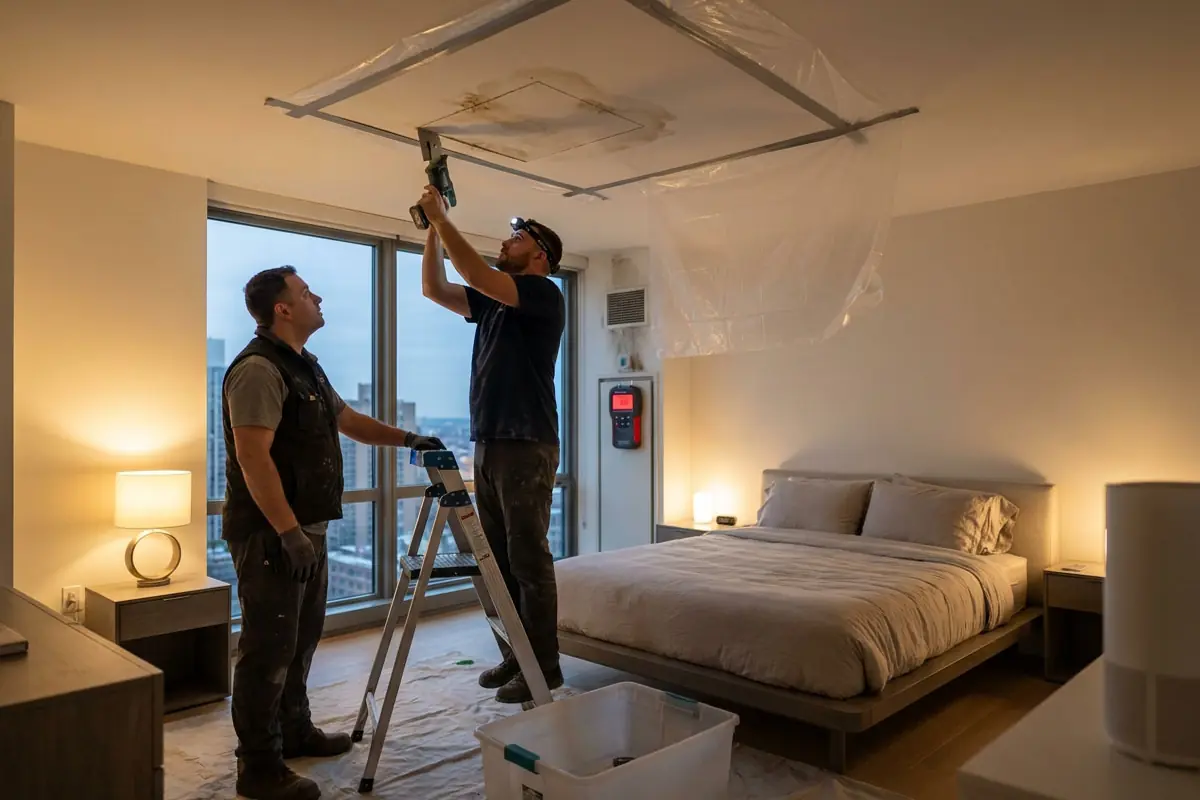
Many freeze leaks are found only when temperatures rise. A split can stay hidden while ice blocks it, then start leaking when water flows again. As the weather warms, listen for hissing or running water, watch for new ceiling or wall stains, and notice any drop in water pressure. Check the attic and garage if you can do so safely.
If you find a leak, close the main valve, switch off power to affected rooms if you can do so from a dry spot, and photograph the damage. Write down when you found it. Your insurer will want that timeline, and the Texas Department of Insurance notes that coverage depends on the policy and the cause.
Build a Simple Freeze Kit
- Foam pipe insulation and duct tape for exposed lines.
- Insulated covers for outdoor faucets.
- A flashlight near the main water valve.
- Towels, buckets and a wet vacuum stored away from outlets.
- A printed list of emergency numbers, including Garland Water Utilities at 972-205-3210 and your plumber.
- Photos of your insurance declarations page saved offline.
Keeping these in one place means you are not hunting for supplies when stores are closed or roads are icy.
Water Heaters, Irrigation and Pools
Many North Texas water heaters sit in garages or attics, where supply lines are exposed to cold air. Ask a plumber whether the lines feeding your heater need insulation. Irrigation systems often have a backflow device above ground near the house, which is one of the most freeze prone parts of a property. Follow the installer instructions to shut off and drain it, or ask your irrigation company to winterize it.
Pool equipment has its own freeze protection settings and procedures. Check the equipment manual or ask the pool service company before a hard freeze, rather than guessing.
Renters and Freeze Preparation
Tenants should ask the landlord before winter where the unit shutoff valve is and what the property plan is for freezes. During a hard freeze, keep the heat on, open sink cabinets on outside walls and let faucets drip unless the lease or management says otherwise. Report any frozen or leaking pipe to the landlord right away, in writing, and protect your belongings. A renters policy covers your belongings; the building belongs to the landlord.
Signs a Pipe Has Frozen
Common signs include a faucet that only trickles or delivers nothing during freezing weather, frost on an exposed pipe, a toilet that will not refill, or an unusual smell from a drain. If you notice any of these, keep the faucet open, warm the area gently and be ready to shut off the main valve if the pipe splits.
After a Freeze Break: Next Steps
- Stop the water at the main valve.
- Call a plumber to repair the pipe before turning the water back on.
- Photograph all wet areas and belongings.
- Open cabinets and doors, and move belongings out of wet rooms.
- Call your insurer to open a claim.
- Arrange a moisture assessment for walls, ceilings and floors that got wet.
Burst pipe water usually starts as clean water, but it can soak insulation, drywall and flooring quickly. The Garland TX Water Damage referral line, (972) 996-6272, is available 24/7 for Garland homeowners who need to ask about restoration help after a freeze.