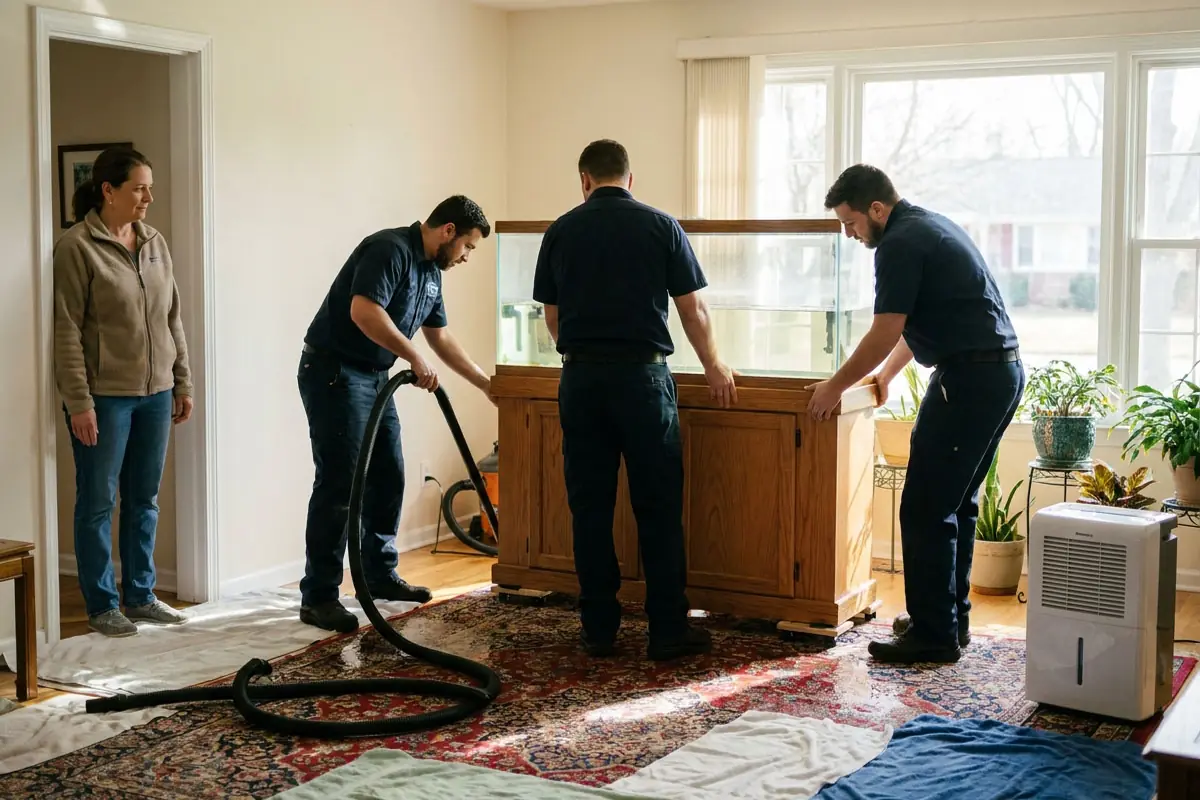
Texas policies separate sudden accidental water damage from gradual leaks, flood needs its own policy, and deductibles and living expenses depend on your declarations page.
Start With Your Declarations Page
Before a claim, pull out your homeowners policy and find the declarations page. It lists your dwelling coverage amount, contents coverage, deductibles and any endorsements such as sewer backup or additional mold coverage. Knowing those numbers first makes every conversation with the insurer easier.
Renters should look for a renters policy, which covers belongings and sometimes living expenses, but not the building itself. The landlord policy covers the structure.
Sudden Damage Versus Gradual Leaks
The Texas Department of Insurance explains that most homeowner policies treat sudden and accidental water damage, such as a burst supply line or a water heater that fails, differently from gradual leaks that happen over time. The appearance of the damage alone does not decide which applies.
What helps is evidence: when you found the water, what the plumber found as the cause, photos and dates. A high repair estimate does not prove a loss is covered, and an old stain nearby does not automatically mean a new loss is excluded. Give the insurer the facts and ask them to explain their decision in writing.
Flood Is Separate
Water that rises from outside, such as creek flooding or surface water entering the house, is generally not covered by a standard homeowners policy and needs separate flood coverage. In Garland, the city maps about 4,200 acres of 100 year floodplain along Duck Creek, Rowlett Creek, Spring Creek and their tributaries. You can check an address on the FEMA Flood Map Service Center, but a home outside a mapped zone can still flood.
Sewer backup is also often treated separately and may need an endorsement with its own limit. Roof leaks, rising water and a burst pipe can all leave a wet floor, but they are different claim facts, so describe the source accurately.
Pipe, Access and Resulting Damage
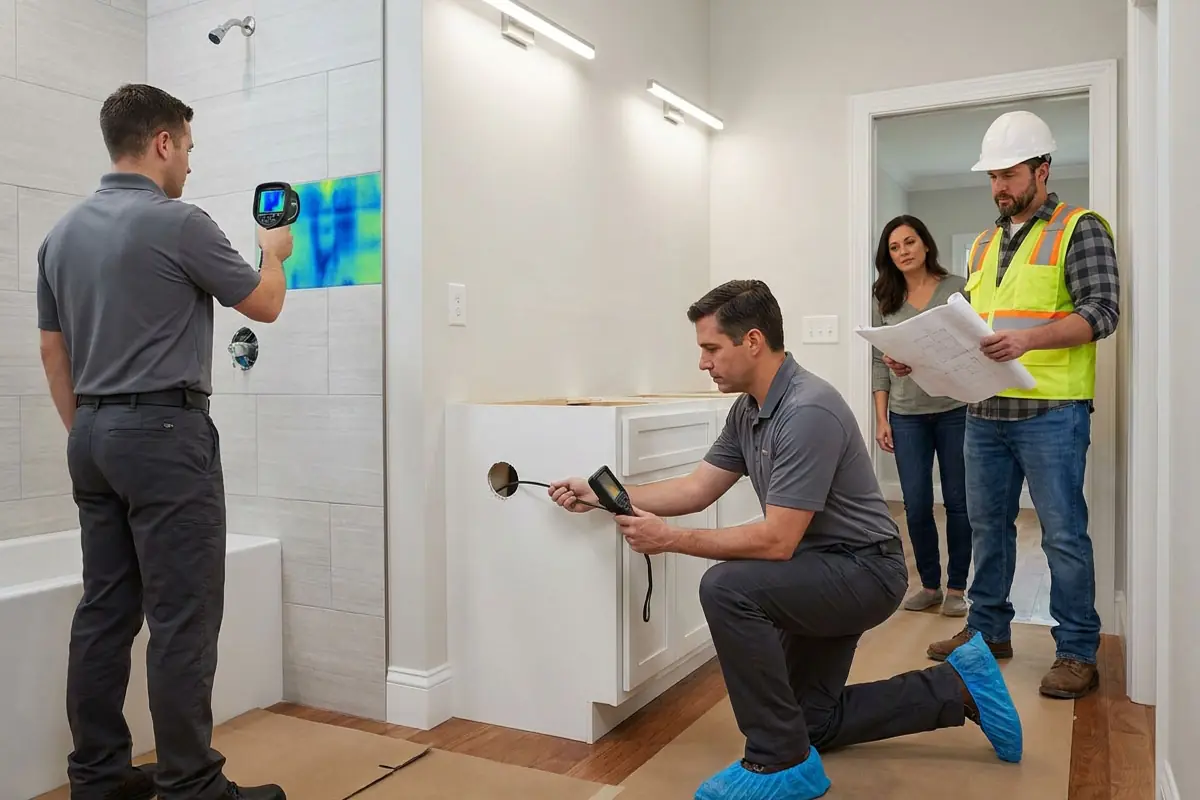
Slab leaks and hidden plumbing failures often involve three parts: the failed pipe, the work to reach it, and the damage the water caused. A policy may treat each differently. Ask for itemized proposals that keep plumbing repair, access and restoration on separate lines, and ask the adjuster which provisions apply to each part.
How Deductibles Work in Texas
Texas policies can use a flat dollar deductible or a percentage deductible. The Texas Department of Insurance explains that a percentage deductible is calculated on the insured dwelling amount in the policy, not on the loss. A 2% deductible on $300,000 of dwelling coverage is $6,000, no matter how small the damage is.
Many policies also have a separate deductible for wind and hail, which matters for a roof leak after a storm. Check which deductible applies before deciding whether to file. If the repair costs less than the deductible, the policy pays nothing for that loss.
- Flat deductible: a set dollar amount, such as $1,000.
- Percentage deductible: a percent of dwelling coverage.
- Formula for a simple scenario: covered loss up to the limit, minus the deductible.
Fire Claims and Additional Living Expenses
After a house fire, you may not be able to stay in the home. Many policies include additional living expenses when a covered event makes the home unlivable, subject to limits and policy terms, according to the Texas Department of Insurance. Ask the insurer which costs qualify, such as hotel, meals above normal spending or temporary rent, and keep every receipt.
Get a copy of the fire report from the responding department. Dallas Fire Rescue directs residents to submit an open records request for a fire report. Water used to fight the fire is usually part of the fire loss, so make sure the restoration scope includes drying where needed and does not count it twice.

Mold and Insurance
Mold coverage varies widely and is often limited. Mold that follows a covered sudden water loss may be treated differently from mold caused by long term humidity or a slow leak. In Texas, hired mold remediation of 25 contiguous square feet or more generally requires licensed professionals under TDLR rules, and the assessor and remediator must be independent. Ask the insurer how mold is handled before work begins.
Document the Claim Like a Professional
- Report the claim promptly and write down the claim number and adjuster name.
- Take reasonable steps to prevent more damage, such as shutting off water, and keep the receipts.
- Photograph and video every affected area before and during cleanup.
- Build a contents inventory with descriptions, quantities, ages and values.
- Ask whether the insurer wants to inspect before damaged materials are removed.
- Keep plumber reports, moisture logs, invoices and all written communication.
Communicate in writing where possible, and ask for decisions and explanations in writing too.
A Typical Water Claim Timeline
- Stop the water and make the house safe.
- Report the claim and get a claim number.
- Document the damage with photos, video and notes before cleanup removes evidence.
- Start reasonable mitigation, such as extraction and drying, and keep receipts.
- Meet the adjuster or send the requested information.
- Receive the insurer estimate and compare it with contractor scopes.
- Resolve differences in writing, then complete repairs.
Ask the insurer early whether they want to inspect before damaged materials are removed. Removing wet drywall and flooring is often necessary quickly, but photos, samples and measurements should come first.
Working With the Adjuster
Be ready with a clear timeline, the plumber or fire department findings, your photos and a list of damaged areas and belongings. Walk the adjuster through every affected room, including closets and cabinets. If the insurer estimate leaves out items in your contractor scope, ask which items were excluded and why, and send supporting documents for anything you believe was missed.
Keep notes of every call: the date, the person you spoke with and what was agreed. Follow important calls with a short email summarizing the conversation.
Common Reasons Water Claims Get Questioned
- Evidence that the leak was slow and long term rather than sudden.
- Damage from outside flooding on a policy without flood coverage.
- Mold or rot that the insurer attributes to delayed action or maintenance.
- A lack of photos or documentation from before cleanup started.
- Repair costs that are not itemized, so covered and uncovered work cannot be separated.
Prompt reporting, reasonable mitigation and itemized scopes address most of these issues before they become disputes.
Keep Proof of Mitigation
Policies generally expect you to take reasonable steps to prevent further damage after a loss. Keep proof of what you did and when: the time you shut off the water, invoices for emergency extraction and drying, photos of equipment in place and moisture readings. If you bought fans, tarps or supplies yourself, keep the receipts. That record shows the insurer you acted promptly and helps answer questions about any damage that appears later.
Where Garland Homeowners Can Get Insurance Help
The Texas Department of Insurance publishes consumer guidance on homeowners claims and can help if you have a problem with an insurer. A public adjuster or attorney can advise on disputed claims. The Garland TX Water Damage referral line, (972) 996-6272, is available 24/7 to connect Garland homeowners with independent restoration providers, and it does not make coverage decisions.