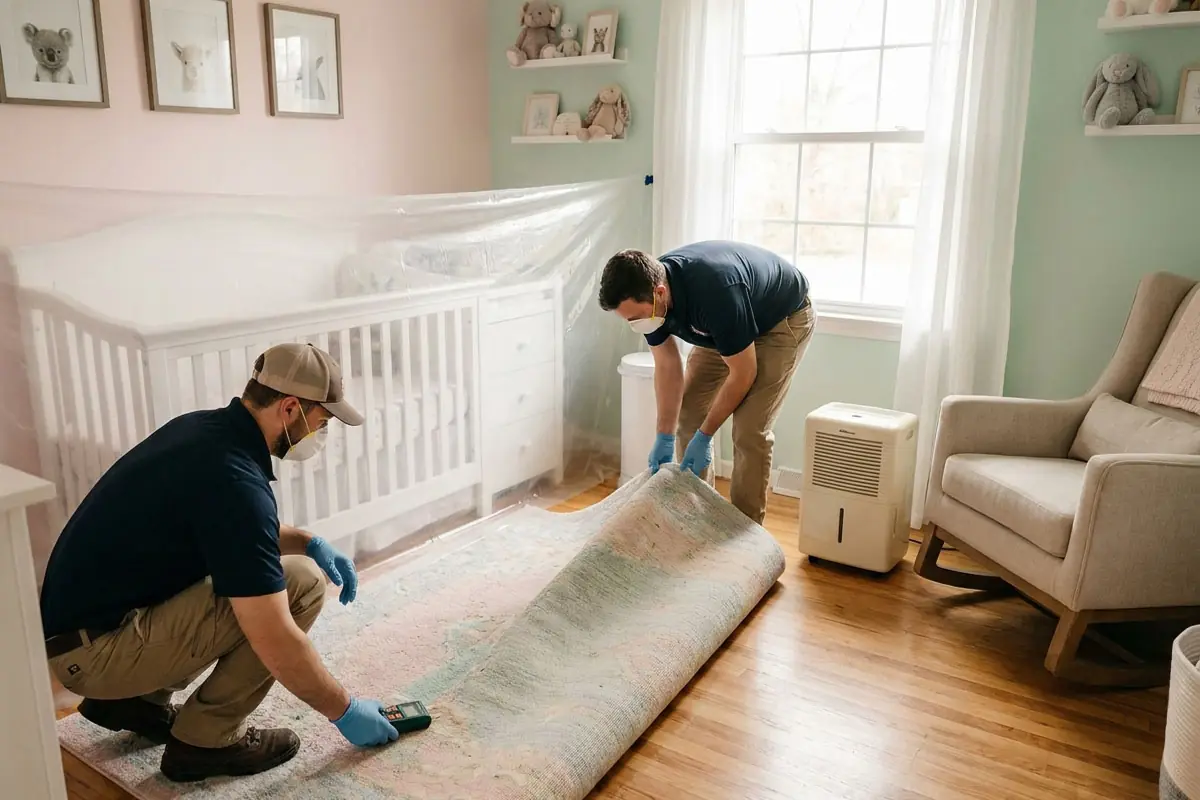
Tenants should report water damage to the landlord in writing right away and protect their belongings; landlords handle the building, the plumbing and the repairs.
First: Safety and the Emergency Call
Whether you rent or own, the first priorities are the same. Keep away from water near outlets and the electrical panel, stay out from under sagging ceilings and call 911 for immediate danger. If water is pouring from a broken main or meter, call the utility. In Garland, water and wastewater emergencies go to Garland Water Utilities at 972-205-3210. In Dallas, call 311, or 214-670-3111 from outside city limits.
Tenants who know where the unit shutoff valve is can close it to stop an active leak. If you do not know, call the emergency maintenance number in your lease.
For Tenants: Report It in Writing
Call the landlord or property manager immediately for an active leak, then follow up in writing the same day. Email, the resident portal or a text that keeps a record all work. Include the date and time, what you saw, which rooms are affected and whether water is still flowing. Save every message, work order number and reply.
Texas law sets specific notice and repair rules for residential rentals, and many tenant remedies depend on having given proper notice and being current on rent. A written record protects you if repairs are slow or the damage leads to a dispute.
- Report active leaks by phone first, then in writing.
- Describe observations rather than assigning blame.
- Ask when a plumber and a water damage provider will come.
- Keep copies of everything in one place.
For Tenants: Protect Your Belongings
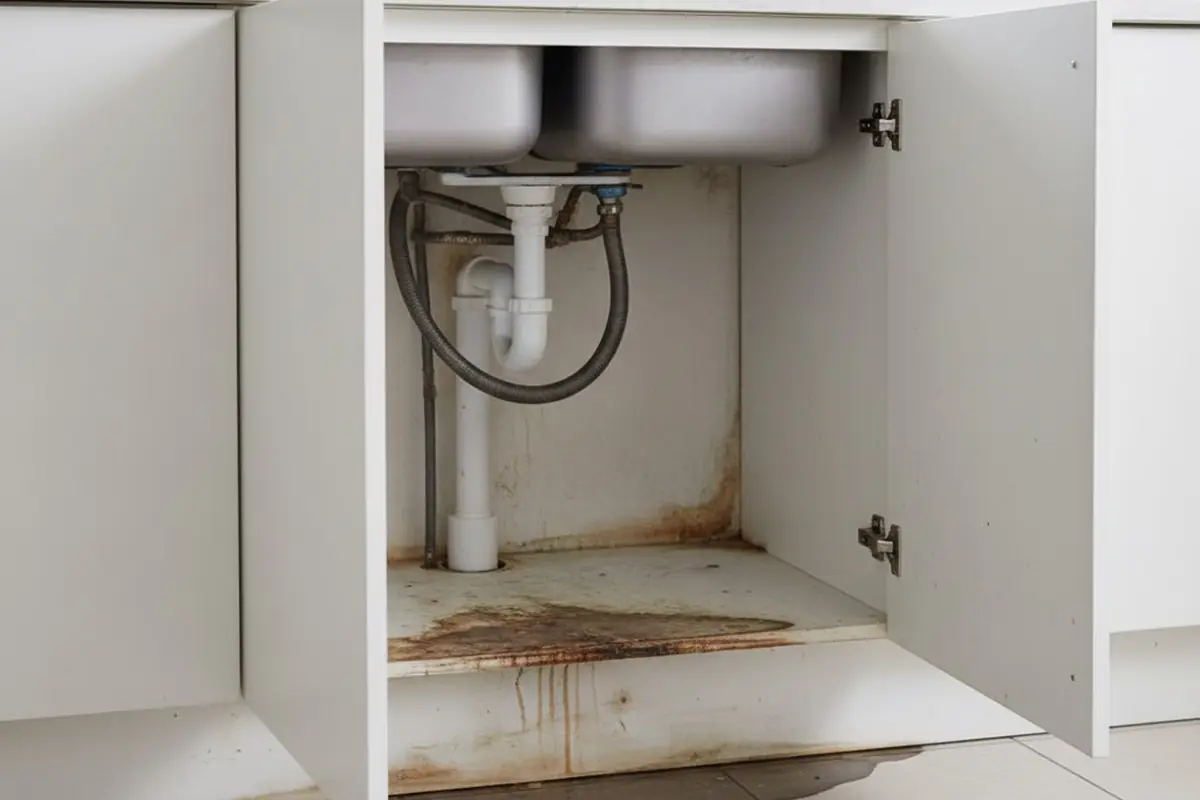
Move your belongings away from the water and photograph damaged items before you throw anything out. A landlord policy covers the building, not your furniture, clothing or electronics. A renters insurance policy is what usually covers your belongings, and sometimes temporary living costs if the unit becomes unlivable. Call your renters insurer to open a claim.
Build a contents inventory with a description, quantity, age and value for each damaged item. The Garland TX Water Damage contents inventory worksheet runs in your browser and exports a CSV you can send to your insurer.
For Tenants: Do Not Make Building Repairs Yourself
Do not open walls, cut out drywall, pull up flooring or hire contractors for building repairs without the landlord’s written authorization. Doing so can create disputes over who pays and can affect your lease. Focus on stopping active water if you safely can, protecting your belongings and documenting the damage.
For Landlords: Respond Fast and Document
Landlords should send a plumber to stop and repair the source and arrange water damage assessment quickly. Wet drywall, carpet and cabinets that stay damp in North Texas humidity can grow mold and turn a manageable repair into a larger one. Photograph the damage, keep the plumber findings and give the tenant a written update on the plan and schedule.
Contact your landlord insurance policy to report the loss. Keep the building claim and the tenant belongings separate: the landlord policy addresses the structure, and the tenant renters policy addresses personal property.
For Landlords: Garland Plumbing Permits
The City of Garland publishes a permit process for under slab plumbing repairs, and repairs at rental properties require a state licensed master plumber registered with Garland. Confirm the plumber meets that requirement and who is pulling the permit before work starts.
Mold Rules in Rental Properties
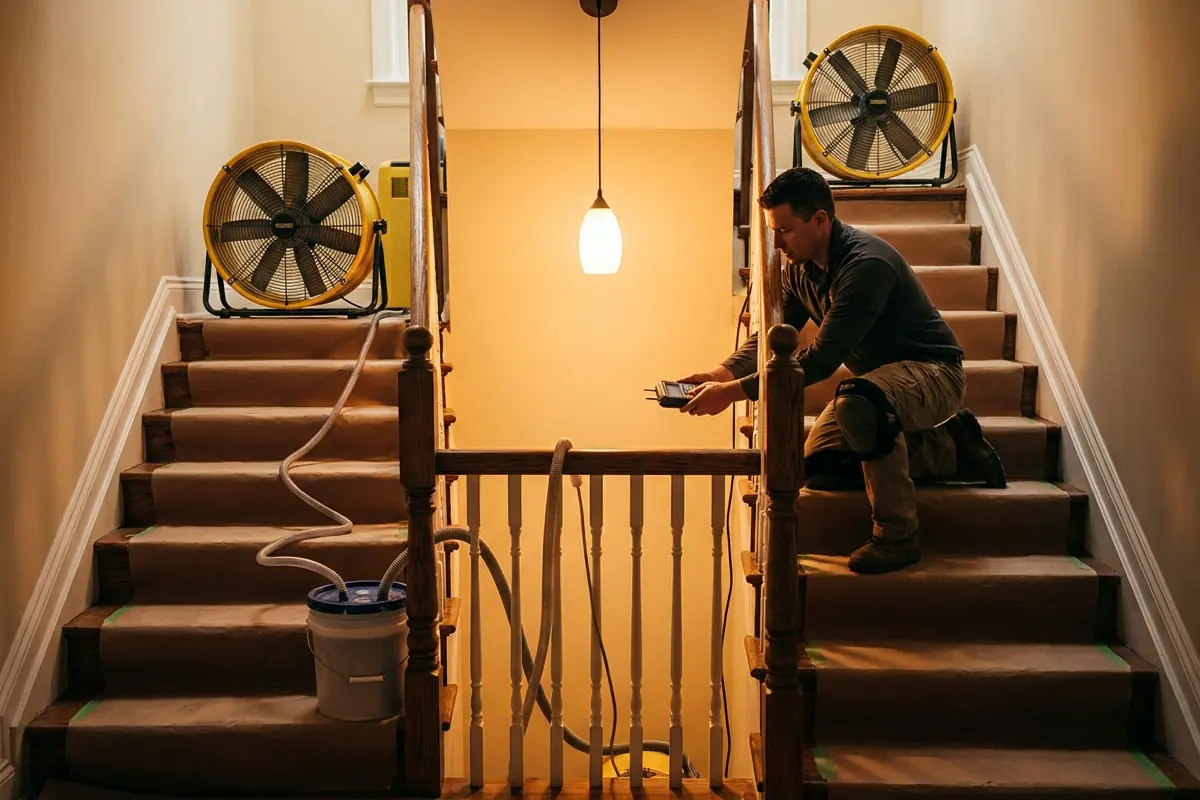
Texas mold rules from TDLR apply to rentals. Hired mold remediation of 25 contiguous square feet or more generally requires licensed professionals, and the assessor and remediator on the same project must be independent. The homeowner exemption covers owners working in their own homes; it does not make a hired company exempt. Residential buildings with ten or more units follow different rules.
Tenants who see mold should report it in writing with photos. Landlords should find and fix the moisture source, then follow the licensing rules for any regulated remediation.
Dallas Code Enforcement for Rental Conditions
In Dallas, the city encourages residents to file a 311 complaint identifying a property with substandard rental conditions so code enforcement can investigate. That process addresses property conditions and code compliance. It is not a mold testing service and does not decide who pays for a specific repair. Record the request number and follow city instructions.
Common Causes of Water Damage in Rentals
In apartments and rental houses, water damage often starts with an overflowing toilet or tub, a failed washing machine hose, a water heater leak, an attic or closet air conditioner with a clogged drain line, or a leak from the unit above. Knowing the likely source helps everyone call the right trade. Report anything unusual early: a slow drip under a sink or a small ceiling stain is far easier to fix than a collapsed ceiling.
When the Unit Above Leaks Into Yours
Leaks from an upstairs unit are common in apartment buildings. Report it to property management immediately so they can access the unit above and stop the water. Photograph the damage in your unit and note the time. The building repairs are handled by the landlord. Your belongings are usually a matter for your renters insurance, and your insurer may pursue the other party if appropriate. Avoid confronting the upstairs neighbor about payment; let management and insurers handle responsibility.
If You Need to Move Out Temporarily
If the unit becomes unlivable because of water damage or the repairs, ask the landlord in writing about the plan and timeline. Check your renters policy for additional living expense coverage, and keep receipts for hotel stays and extra costs. Get any agreement about rent during the repair period in writing. Your lease and Texas law affect what happens to rent when a unit cannot be lived in, so ask for advice before stopping payments.
A Short Checklist for Landlords
- Give tenants a clear emergency maintenance number and show them the shutoff valve at move in.
- Respond to leak reports quickly and in writing.
- Use licensed plumbers, and in Garland, a state licensed master plumber registered with Garland for rental plumbing repairs.
- Document the damage and the repair with photos and invoices.
- Follow Texas mold licensing rules for regulated remediation.
- Keep the landlord claim and the tenant claim separate.
Move Out Condition and Security Deposits
Water damage can come up again when a tenant moves out. Tenants should keep the dated photos and written reports from the time of the leak, so damage caused by a building failure is not mistaken for tenant damage. Landlords should keep the repair records for the same reason. A move in and move out condition checklist, with photos, protects both sides.
When to Get Legal Advice
Before withholding rent, ending a lease early or deducting repair costs, get advice from a qualified attorney or an official Texas tenant resource. Remedies and deadlines depend on the lease, the notice given and the circumstances. This guide explains practical steps; it is not legal advice.
The Garland TX Water Damage referral line, (972) 996-6272, is available 24/7 for Garland property owners and managers who need to ask about water damage restoration help.
Put This Into Practice
Sources and Further Reading
- City of Garland: Garland Water Emergencies
- City of Garland: Under Slab Plumbing Permits
- City of Dallas: Dallas Rental Conditions
- Dallas Water Utilities: Dallas Emergency Water Service
- Texas Department of Licensing and Regulation: Texas Mold Consumer Rules
- Texas Department of Insurance: Water and Fire Insurance