
Verify the business, its insurance and any Texas licenses, compare itemized written scopes line by line, and agree on how completion will be proven before work starts.
Start by Knowing Who You Are Hiring
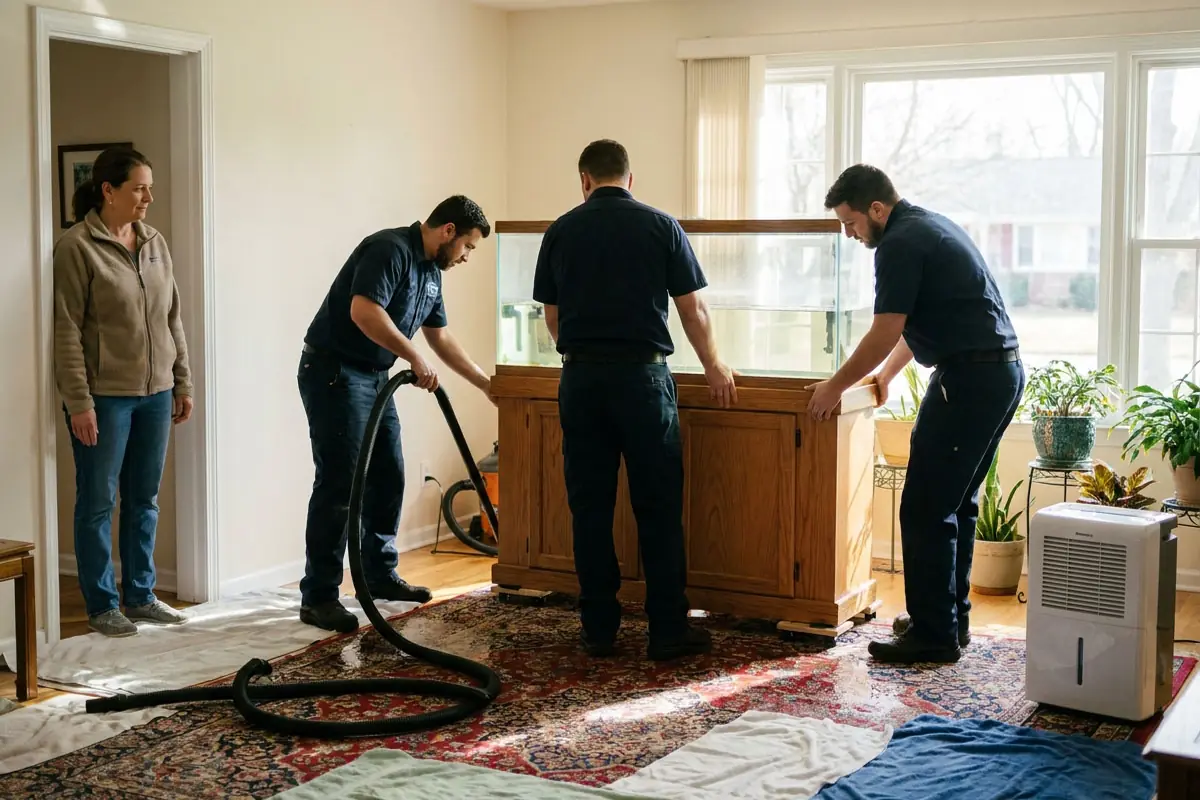
Ask for the legal business name, the physical business address, and the names of the people who will do each part of the work. A restoration brand can subcontract plumbing, electrical, flooring or mold work to other companies, so ask who performs each trade.
Garland TX Water Damage is an independent referral service, not a contractor. Whoever you hire is a separate business, and verifying that business is your job before signing anything.
Verify Insurance and Licenses
Ask for a certificate of insurance showing general liability, and workers compensation if the company has employees on site. Call the insurer on the certificate if anything looks off.
Texas licensing depends on the work. Plumbing needs a licensed plumber, and in Garland, under slab repairs follow a city permit process with repairs at rental properties requiring a state licensed master plumber registered with Garland. Electrical work needs a licensed electrician. Hired mold remediation of 25 contiguous square feet or more generally needs TDLR licensed professionals. Verify licenses on the state license search sites yourself rather than trusting a logo.
- Certificate of insurance with current dates.
- Licenses for any plumbing, electrical or regulated mold work.
- Who pulls permits, and which inspections are required.
Ask for an Itemized Written Scope
A good proposal lists each task separately so you can see what is included and compare it with another company. Look for these lines:
- Source repair, and who is responsible for it.
- Water extraction.
- Removal and disposal of damaged materials.
- Drying equipment, with daily rates and expected monitoring visits.
- Cleaning or antimicrobial treatment, where appropriate.
- Contents moving, cleaning or storage.
- Rebuilding: drywall, flooring, cabinets, trim and paint.
Ask what is excluded, what the minimum charges are and how changes will be approved. A low price that leaves out removal or rebuilding is not comparable to a complete scope. HomeGuide publishes a national benchmark of $4 to $12 per square foot for water extraction and drying together, which gives a sense of scale for that part of the job.
Understand Mold Roles in Texas
If mold is involved, Texas rules require the mold assessor and the mold remediator on a project to be independent. Ask each company which role it plays. For regulated projects, ask about the assessment protocol, the clearance criteria and whether you will receive a Certificate of Mold Damage Remediation at the end. A general restoration certification is not a substitute for an applicable TDLR license.
Sensitive Jobs: Biohazard and Hoarding
For biohazard, trauma or hoarding cleanup, ask about training for blood and bodily fluid exposure, protective equipment and waste handling. OSHA bloodborne pathogen rules are a useful reference for those questions, and the Texas Commission on Environmental Quality publishes medical waste disposal requirements. Ask how the company protects privacy, who decides what belongings are kept and how important documents are handled.
Watch for Red Flags
- Pressure to sign immediately or to hand over your insurance claim rights without reading the paperwork.
- A promised arrival time, drying time or insurance outcome.
- No written scope, or a single lump sum with no breakdown.
- Unwillingness to show insurance or licenses.
- Demolition before photos and a moisture assessment.
Take a moment to read any work authorization, especially language about direct payment from the insurer, before signing.
Define Completion Before Work Starts
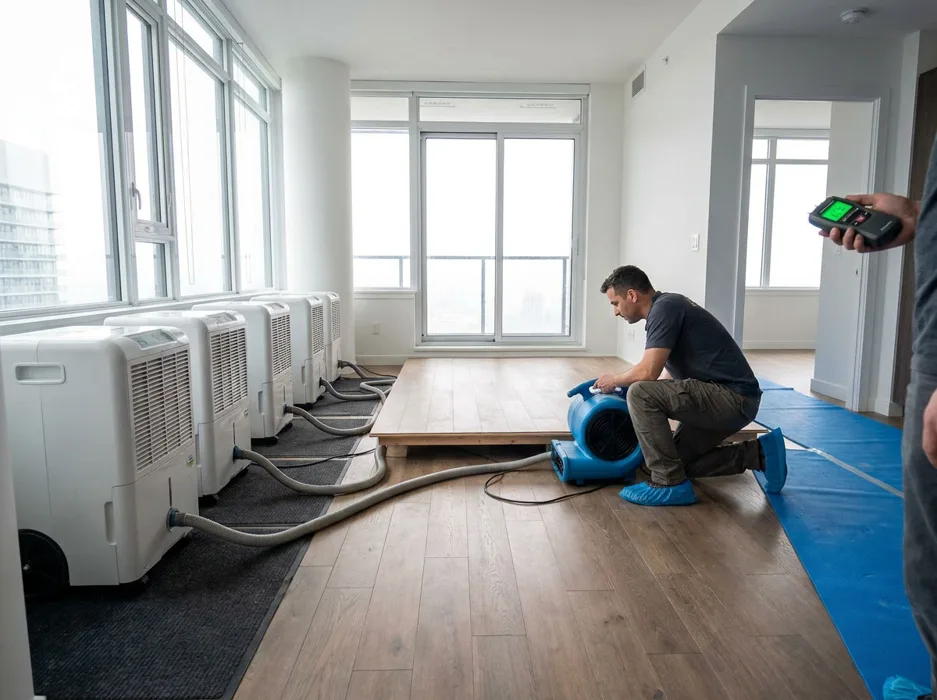
Agree up front on how the company will show that drying is complete before walls are closed or floors are installed. Ask for daily moisture readings at marked locations and a dry reference reading of the same material. The EPA advises drying wet materials promptly, and closing a wet wall traps moisture that can lead to mold.
At the end, you should receive photos, moisture records, permits where required, approved change orders and a final invoice that matches the scope.
One Company or Two: Mitigation Versus Rebuild
Water damage work often happens in two phases. Mitigation is the urgent part: extraction, removal of wet materials and drying. Reconstruction is the rebuild: drywall, flooring, cabinets and paint. Some companies do both; others only do mitigation and hand off to a contractor. Either can work well. What matters is that each phase has a clear written scope and that nothing falls between the two.
If you use two companies, ask the mitigation provider for its moisture records and photos of the opened areas so the rebuild contractor knows what was removed and why.
Insurer Recommended Vendors
Some insurers offer a list of program vendors. Using one can be convenient, but ask your insurer whether you are required to use a program vendor or whether you may choose your own provider. Either way, apply the same checks: insurance, licenses, an itemized scope and documented drying. The contractor works on your house, so you should understand and approve the scope.
Comparing Two Restoration Quotes Side by Side
Line up two quotes and check that they cover the same rooms, the same square footage and the same tasks. If one includes removing and replacing baseboards and the other does not, the cheaper quote may not be cheaper. Compare equipment days and daily rates, disposal, contents handling and monitoring visits. Ask each company to explain any line you do not understand before deciding.
What to Expect on the First Visit
A careful provider starts by asking about safety and the water source, then inspects the affected rooms with moisture meters, and often a thermal camera, to find where water traveled. They should photograph the damage, explain what needs to be removed and why, and describe the drying plan. Before starting work, they should give you a work authorization and a scope or an explanation of how the scope will be finalized.
Ask questions during that visit. A provider who explains the plan clearly is usually easier to work with for the rest of the job.
Restoration Payment Terms and Deposits
Ask how and when payment is due, whether a deposit is required, and how payments work if an insurance claim is involved. Read any clause that assigns insurance proceeds or directs payment from the insurer to the company. Make sure the contract says what happens if the insurer disputes part of the bill. Keep copies of everything you sign.
Questions to Ask on the First Call
- What is your legal business name, and are you insured?
- Which parts of the work do you perform, and which do you subcontract?
- How do you bill equipment, and what are the minimums?
- Will I get an itemized written scope before work begins?
- How will you document that materials are dry?
The Garland TX Water Damage referral line, (972) 996-6272, is available 24/7 to connect Garland homeowners with independent restoration providers. Ask those questions of any provider you speak with.
Put This Into Practice
Sources and Further Reading
- Texas Department of Licensing and Regulation: Texas Mold Consumer Rules
- OSHA: Provider Training Questions
- Texas Commission on Environmental Quality: Texas Medical Waste Resources
- US Environmental Protection Agency: Moisture and Mold
- City of Garland: Under Slab Plumbing Permits
- Texas Department of Insurance: Water and Fire Insurance